wickes stock

OSB Vs Plywood: What's the Difference?

Home > News > OSB vs Plywood: What’s the Difference and Which One Should You Use?
Read More

A Practical Guide to Choosing The Right Board For Your Project

OSB and plywood are two of the most widely used sheet materials for structural and interior projects. While both offer reliable performance, they’re built differently and each has strengths suited to specific applications.

Whether you’re working on flooring or furniture, understanding the difference between OSB sheets and plywood will help you choose the right material. In this guide, we compare the pros and cons to help UK businesses, homeowners, and builders make an informed decision.

OSB vs Plywood: What’s the Difference?


Question OSB Plywood
What is it made of? OSB, oriented strand board, is made from compressed wood strands and chips, bonded with synthetic resin and wax. Plywood is made from thin wood veneers glued in alternating directions for cross-laminated strength.
What are its strengths? OSB is cost-effective, strong in shear, and ideal for structural use like wall sheathing and flooring compared to plywood. Plywood is strong, lightweight, and versatile, with a smooth wood veneer finish that makes it suitable for decorative and functional use.
What are its weaknesses? OSB can swell at the edges if exposed to moisture, and isn’t ideal for visible or decorative surfaces. Plywood is typically more expensive and can delaminate if the wrong grade is used in wet conditions.
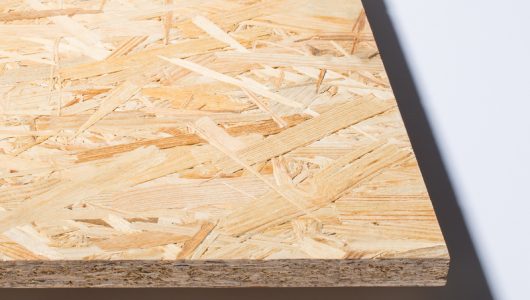
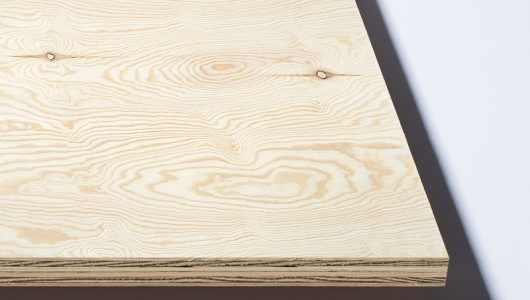
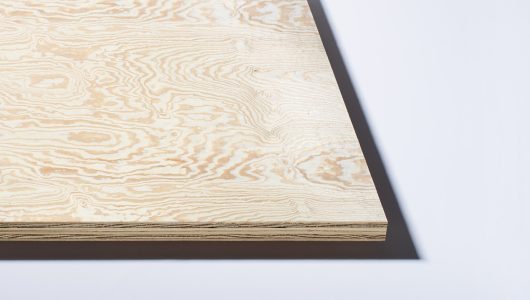
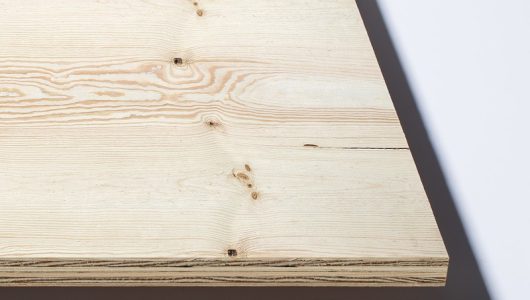
What do the boards look like? OSB board wood has a rough, flake-patterned surface with visible strands. Plywood has a clean, uniform surface with natural wood grain, better for visible or design-led spaces.
Which is stronger or more durable? OSB provides excellent load-bearing strength and is particularly strong in structural applications like wall and roof sheathing. Plywood is strong in both directions due to its cross-laminated layers, making it a dependable all-rounder.
How do they handle moisture? OSB is water resistant but not waterproof, performing well in humid environments, when rated OSB/3 or OSB/4, but it can swell at the edges if not properly sealed. Plywood, especially WBP or marine-grade, offers strong moisture resistance and holds up better in wet conditions.
Which is more cost effective? OSB is usually the more budget-friendly option (15-30% cheaper), making it a popular choice for large construction areas where finish isn’t a priority. Plywood is more costly but offers greater versatility and visual appeal compared to OSB.
How easy are they to work with? OSB can be slightly tougher on tools due to its resin content and may splinter when cut without care. Although plywood weighs more, it is easier to cut, drill and fix, making it better suited for precision joinery.
When are they most commonly used? OSB is used in wall sheathing, roof sheathing, subfloors and temporary hoardings. Plywood is used in cabinetry, interior joinery, furniture, and underlays where both form and function matter.


What is OSB Board?

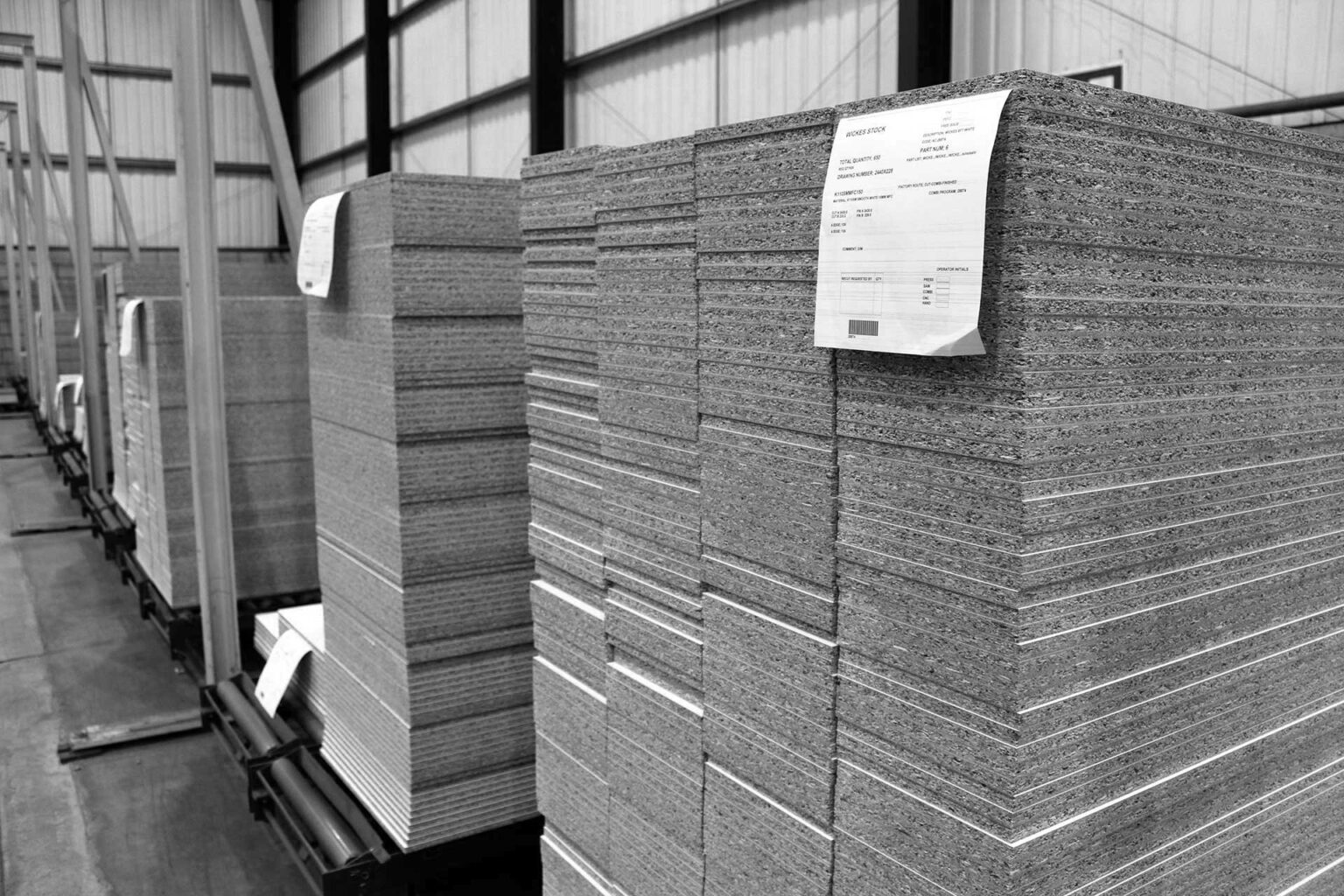
OSB (Oriented Strand Board) is a type of engineered wood made from compressed layers of wood chips and strands that are bonded together with wax and resin. These strands are arranged in specific orientations to provide stiffness, structural integrity and load-bearing performance.

Originally introduced as a more affordable alternative to plywood, OSB sheets are widely used in flooring systems, roof decking, wall sheathing and other structural applications. Standard panels come in sizes up to 2.4m x 1.2m, with common thicknesses between 6mm and 18mm.


Advantages of OSB:

  • Cost-effective – Made from wood strands instead of veneers, OSB is cheaper to produce than plywood, offering similar performance at a lower price.
  • Strong and dependable – Cross-layered strands bonded with resin give OSB reliable strength and stability for load-bearing applications.
  • Easy to work with – Cuts cleanly and holds fasteners well using standard tools, making it quick to work with on-site.
  • Water resistant – Modern adhesives help OSB resist short-term exposure to damp conditions during construction.
  • SustainableUses fast-growing species like aspen and poplar, reducing pressure on hardwoods and minimising waste.

Disadvantages of OSB:

  • Not waterproof – Prolonged exposure can cause swelling or warping.
  • Less rigid across the width – OSB can flex more than plywood, so it may need additional support in wide-span applications.
  • Rough finish – The finish isn’t ideal for exposed or decorative use without additional cladding or covering.
  • Edge sensitivity Unprotected edges are more prone to chipping during handling or fitting, particularly on-site.

What is Plywood?

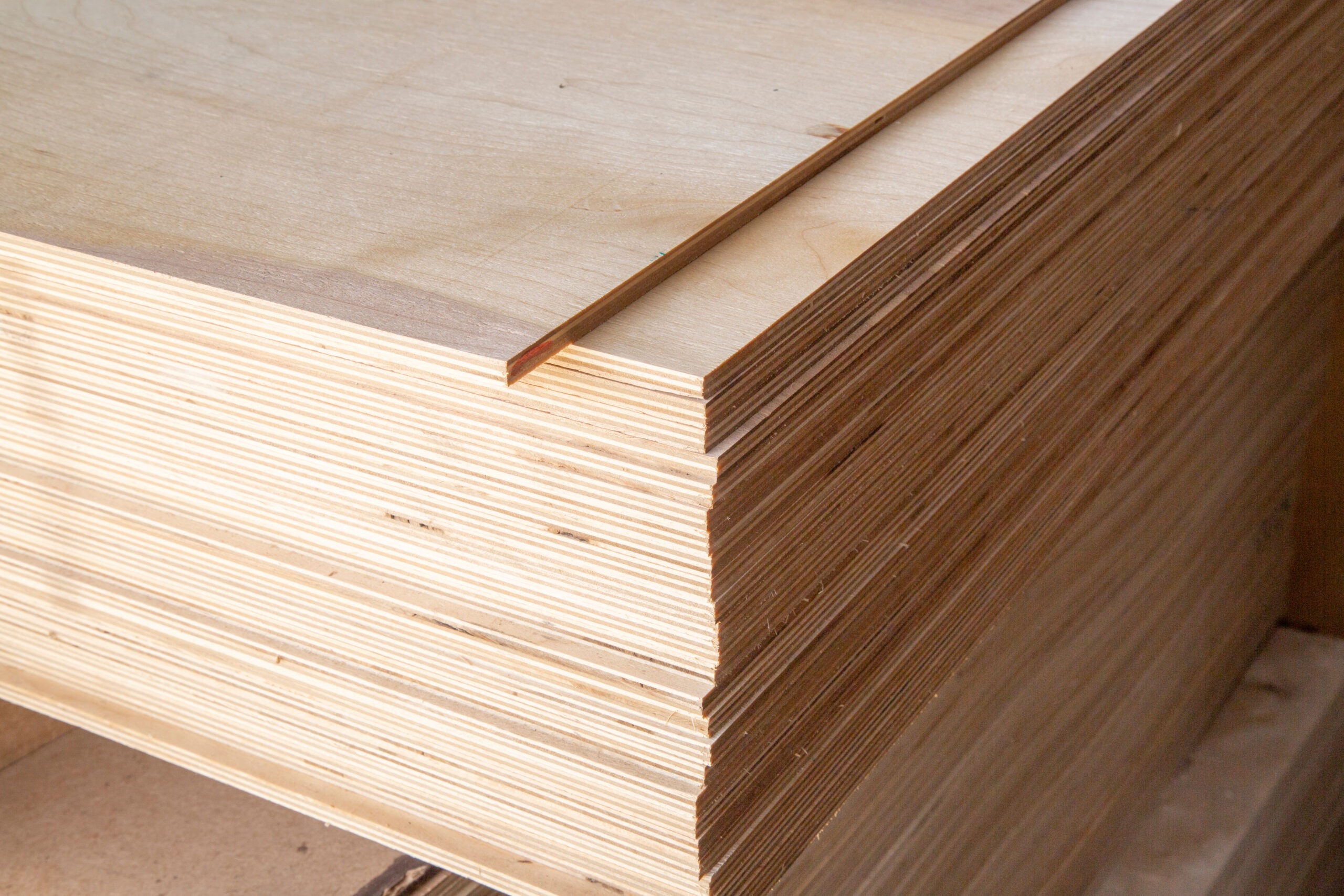
Plywood is an engineered wood product made by bonding thin layers of wood veneer in alternating grain directions, forming a cross-laminated panel. This design improves dimensional stability, reduces warping and makes it strong in both directions.

It’s widely used in wall sheathing, wall flooring, furniture and interior joinery. Available in various types such as marine plywood, fire-retardant, hardwood, and softwood panels, plywood offers flexibility across structural and design-led builds.

Advantages of Plywood:

  • Strong and rigid – Excellent load-bearing capacity thanks to cross-laminated layers that minimise sagging. 
  • Dimensionally stable – Built from cross-laminated layers that balance internal stresses, helping it resist warping and twisting over time, even when exposed to changing humidity or temperature. 
  • Attractive finish – Smooth wood veneer surface makes it ideal for visible or decorative applications. 
  • Moisture resistance – Performs well in humid areas when properly sealed, especially in interior journey. 
  • Wide variety –  Available in structural sheets and decorative grades, offering flexibility across applications.

Disadvantages of Plywood: 

  • Higher cost – Plywood sheets are generally more expensive than OSB, due to the use of quality veneers.
  • Heavier – Greater density means more weight per sheet, which can slow handling and increase transport costs. 
  • Can delaminate – Moisture can break down the glue between layers if not properly sealed. 
  • May contain voids – Lower-grade plywood can have hidden gaps,  which may weaken structural integrity or affect appearance. 

OSB vs Plywood: How to Choose the Right Material

When deciding between plywood and OSB, the best choice often comes down to key concerns- be it cost, finish or performance in load-bearing or humid environments: 

  • Subfloors – Choose OSB flooring for strength, stability and cost-efficiency. Plywood may squeak unless glued and screwed.
  • Wall sheathing – Both materials work well, but OSB board wood is more affordable. Always select a moisture-resistant grade.
  • Roof decking – OSB sheets are widely used, though plywood offers better stiffness for longer spans.
  • Furniture – Plywood is ideal for cabinets and joinery, thanks to its smooth wood veneer and clean edges.
  • Humid areas – In basements, bathrooms or other damp conditions, plywood offers better moisture resistance over time. 
  • Structural use – For hidden areas where finish isn’t key, oriented strand board OSB delivers reliable strength and value.

In summary, OSB is a cost-effective choice for structural applications like flooring, roof decking and wall sheathing, where strength and scale matter more than appearance. Plywood is better suited to interior joinery, furniture and projects that require a smooth finish or greater moisture resistance. The right option depends on your project’s needs and priorities.

Precision-Cut Panels from Alexander Cleghorn

Whether you’re working with OSB for structural strength or Plywood for a high-quality finish, at Alexander Cleghorn, we supply accurately cut plywood and OSB panels, tailored to your specifications. Our in-house services include CNC machining, edge banding and panel cutting, ensuring each board meets your exact requirements for interior or furniture manufacturing, to wall sheathing and roof decking. 

If you’d like to chat about your next project, fill out our form below.

    OSB vs Plywood:FAQs

    Sterling board is a well-known brand of OSB (oriented strand board) that’s widely used in UK construction. It’s strong, consistent and often used for things like flooring and roof decking. At Alexander Cleghorn, we supply Kronospan OSB, known for its strength and versatility in applications such as flooring, wall sheathing, and roof decking.


    Yes, both materials can be finished, but plywood offers a smoother wood veneer surface, making it more suitable for painting or staining. OSB has a coarser texture, so additional preparation like sanding and priming is recommended to achieve a uniform finish.


    OSB is often considered more sustainable as it utilises fast-growing, small-diameter trees and makes efficient use of wood strands, resulting in less waste. Plywood also offers environmental benefits, especially when sourced responsibly. Both materials supplied by Alexander Cleghorn are produced with sustainability in mind.


    Yes, when the appropriate grade is selected:
    OSB/3 and OSB/4: Suitable for structural applications in humid conditions.
    Plywood Classes 2 and 3: Meet requirements for use in humid and exterior environments.
    Alexander Cleghorn supplies materials that comply with UK standards, ensuring suitability for various construction needs.


    Yes, but it’s crucial to choose the correct grade:
    OSB/3 or OSB/4: Suitable for exterior use when properly sealed.
    Plywood Class 3 or 4: Designed for outdoor applications, offering enhanced durability against moisture.
    Proper treatment and installation are essential to ensure longevity in outdoor conditions.

    Egger
    FENIX
    FINSA
    formica
    Kronospan
    Pfleiderer
    Polyrey