MFC vs MDF: The Best Sheet Material for Modern Office Design

Home > News > MFC vs MDF: The Best Sheet Material for Modern Office Design
Read More

When planning an office fit-out, material choice matters. Desks, meeting tables, storage units and wall panels all face daily wear in a busy workplace. The right board can differentiate between a finish that lasts for years to come or one that needs replacing far too soon.

Two materials dominate commercial interiors, and these are MFC (Melamine Faced Chipboard) and MDF (Medium Density Fibreboard). Both have varied advantages; however, understanding where each performs best will help you achieve the ideal finish for your office…

MDF vs MFC: Key Differences for Office Projects


Feature MDF MFC
Composition Wood fibres bonded with resin, pressed into a smooth, dense panel. Wood chips or particles bonded with resin, coated with a hard-wearing melamine surface.
Strengths Ideal for painting or veneering; excellent for shaping and detailed machining. Scratch, stain, and moisture-resistant; lightweight; wide choice of finishes; cost-effective.
Common Office Uses Bespoke painted furniture, reception counters, decorative wall panels. Desktops, workstations, shelving, storage units, meeting tables, partitions.
Moisture Resistance Prone to swelling unless using a moisture-resistant-grade. Naturally more resistant thanks to its melamine layer.
Finishing Best for painted or veneered surfaces. Usually supplied pre-finished for quicker installation.


What is MFC?

MFC is the name used for chipboard coated with decor paper soaked in melamine resin. This creates a surface that’s durable, low-maintenance and available in an extensive range of decors and textures.

Advantages in an Office Setting:

  • Resists scratches, stains and moisture, brilliant for high-use areas
  • Easy to clean and maintain
  • Broad selection of decorative styles to match interior themes

Best suited for:  desks, workstations, shelving, storage, meeting tables and wall cladding.

Considerations: limited shaping potential, requires edge banding for a finished look, and may delaminate if exposed to excessive moisture.

What is MDF?

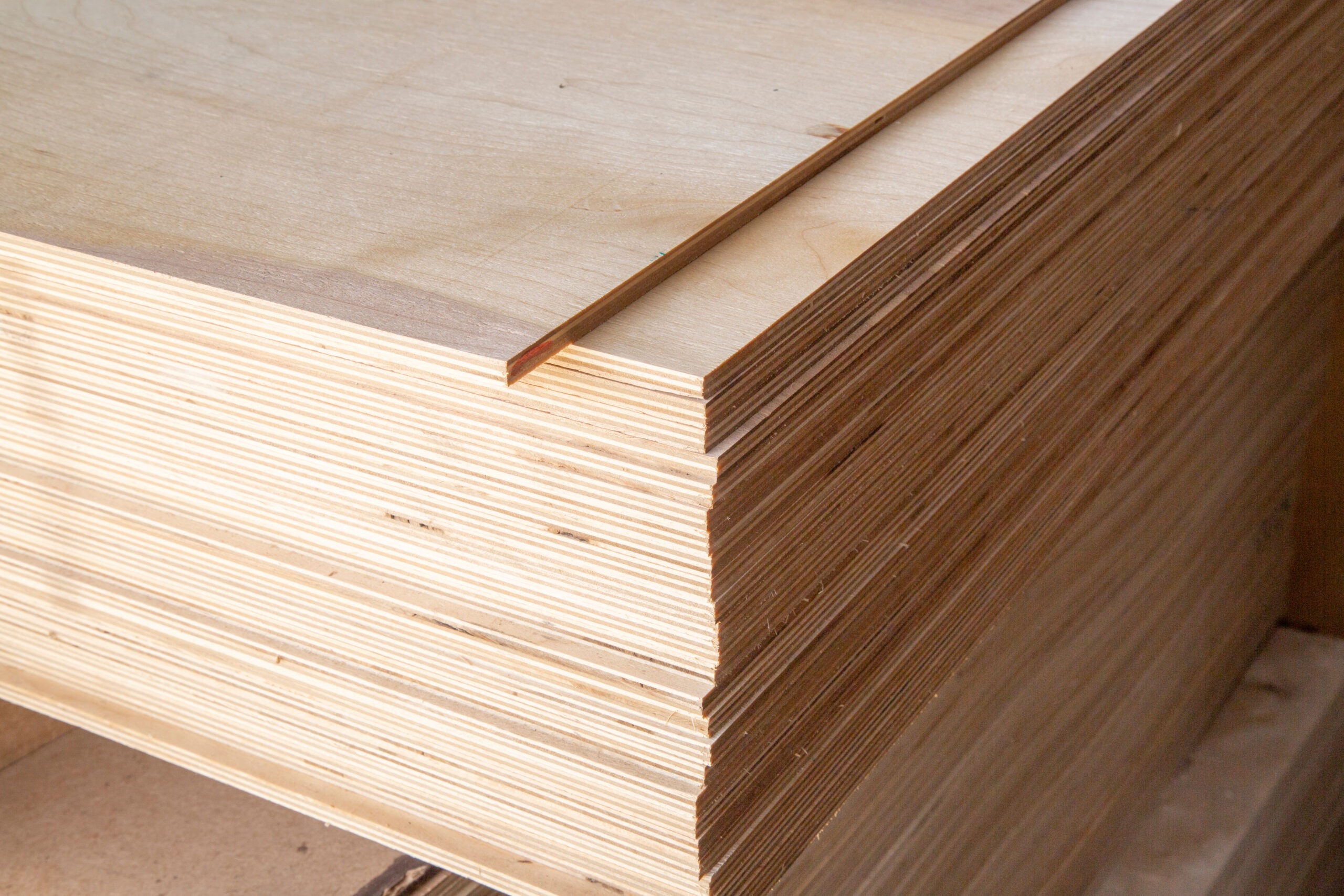
MDF is made from fine wood fibres bonded with resin and wax, producing a dense, smooth panel with no visible grain. It is highly versatile and easy to machine into intricate designs.

Advantages in an Office Setting:

  • Highly smooth surface ideal for paint or veneer finishes
  • Excellent for detailed machining and custom shapes
  • Stable and resistant to warping
  • Works well for bespoke branded features or statement pieces

Best suited for:  reception counters, custom storage, decorative panels and bespoke furniture designs

Considerations: standard MDF is not moisture-resistant (unless treated), heavier than MFC and requires proper support to prevent sagging over long spans.

Decision-Making Time: Choosing the Right Material for Your Office Fit-Out

  • We recommend selecting MFC if you’re looking for cost-effective, pre-finished panels that are durable and easy to maintain in a busy office environment.
  • Opt for MDF if your project calls for fully customisable, paint-ready panels or detailed design features that make a statement.
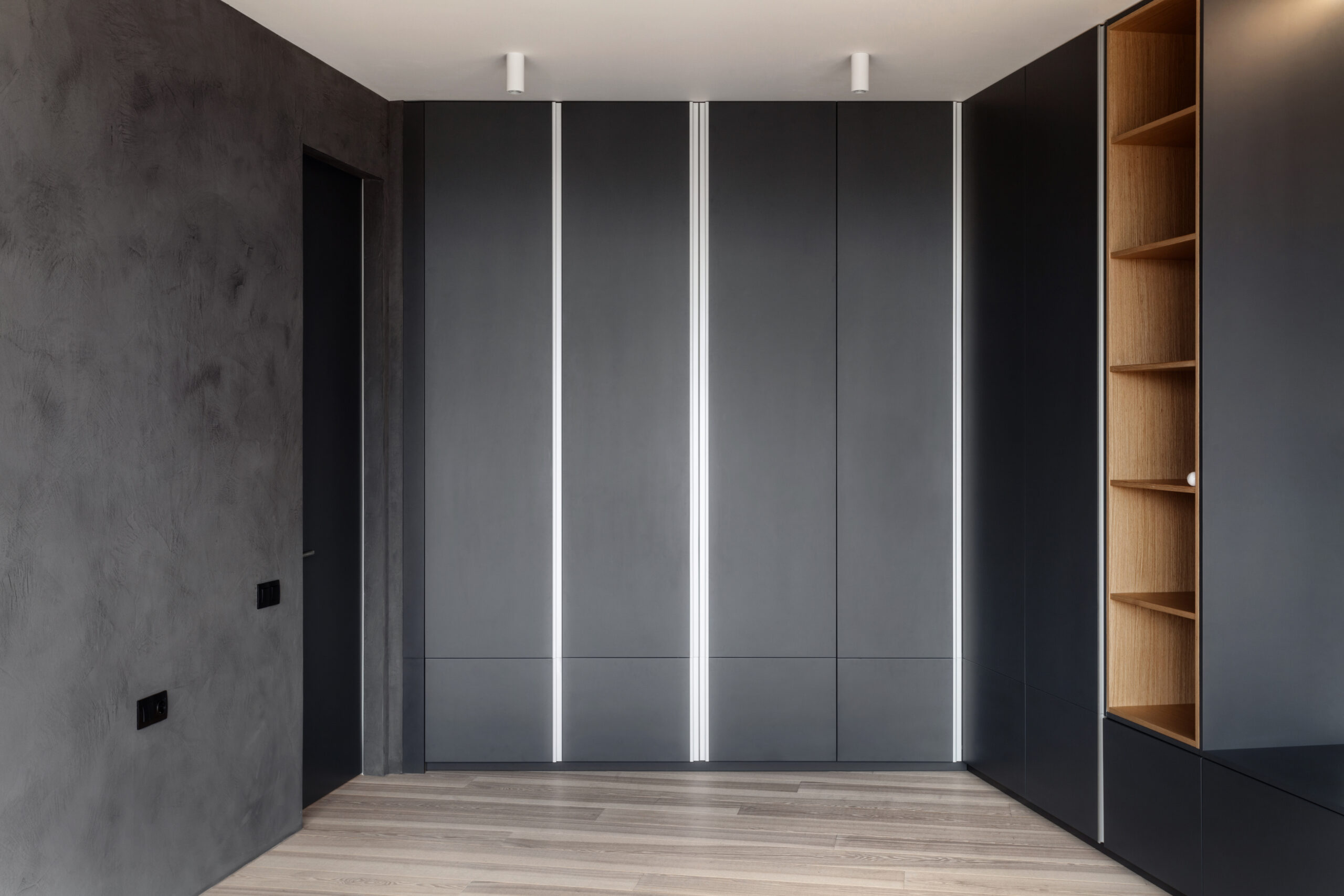
Eurodeko Melamine Faced MDF Bedroon

Which is Better for Office Furniture?

Both MFC and MDF can deliver great results in an office environment; it depends on how you want the space to look, how it will be used day-to-day and what budget you’re working with.

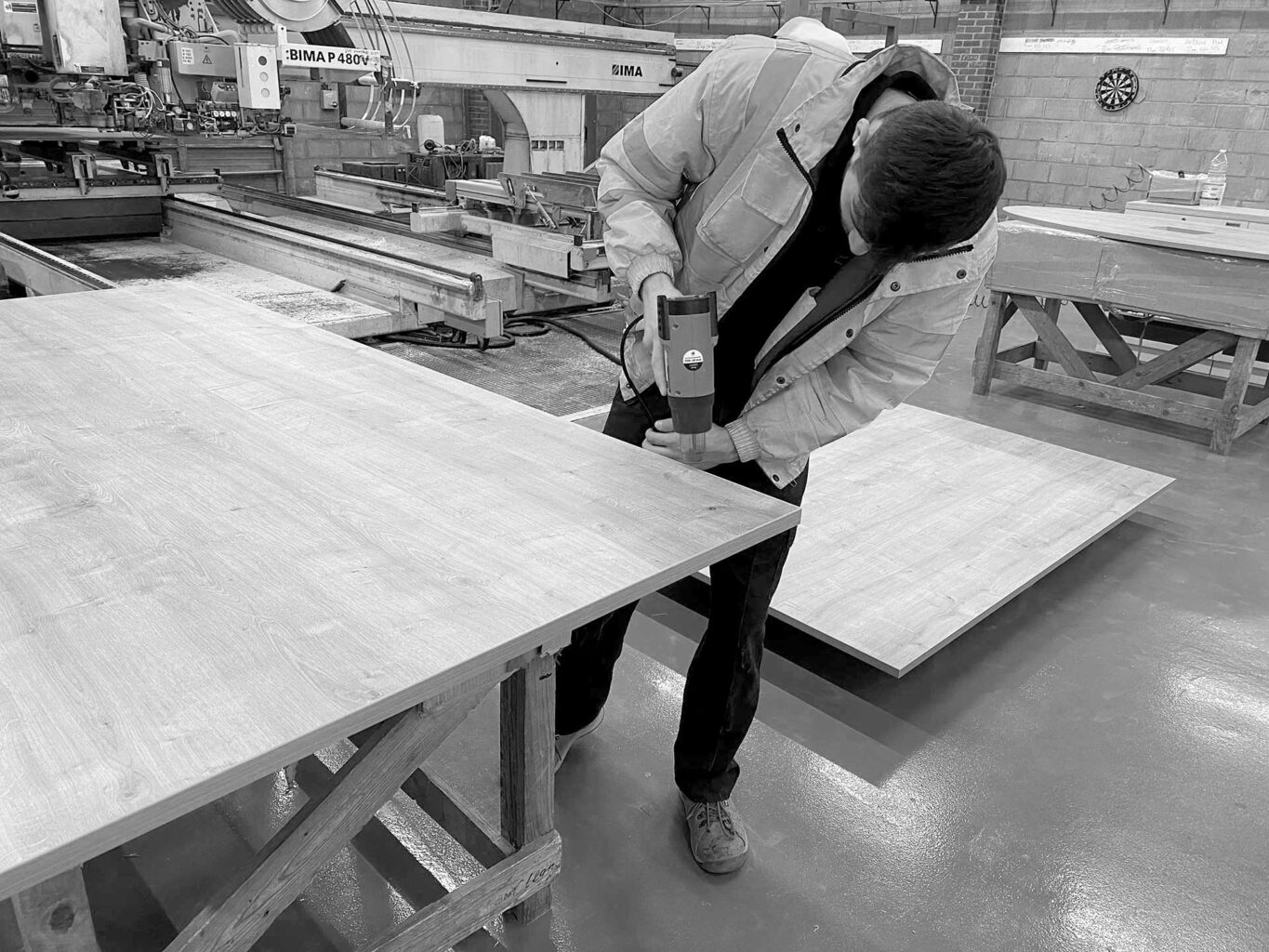
At Alexander Cleghorn, we supply premium-quality MFC and MDF to office fit-out specialists across the UK. Our advanced machinery and shaped edge banding mean every panel is finished to a high standard, ready to be installed. If you’re not sure which material works best, we can talk you through the options and help you find what’s right for your project. 

    Egger
    FENIX
    FINSA
    formica
    Kronospan
    Pfleiderer
    Polyrey