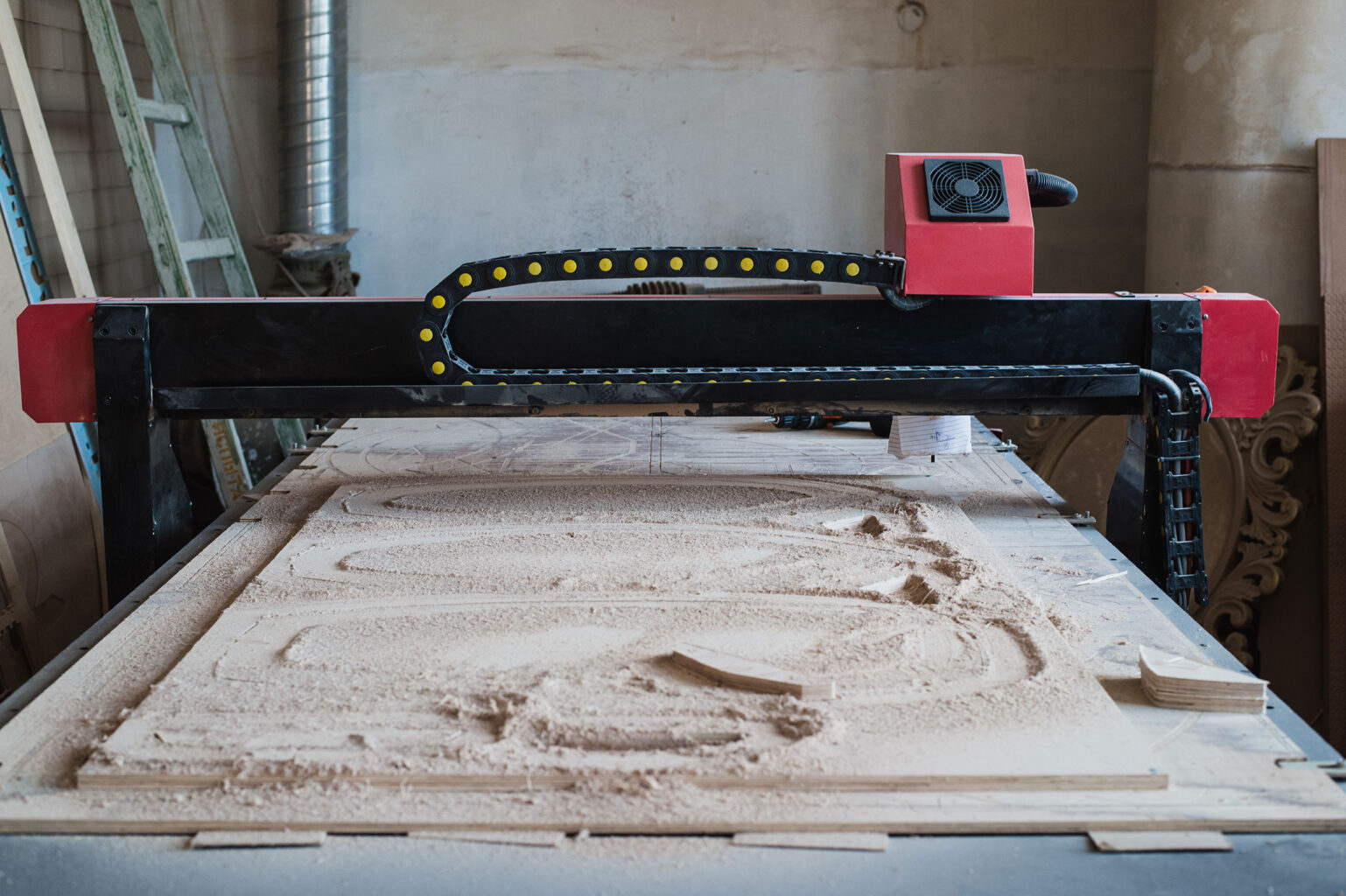
CNC stands for Computer Numerical Control. It’s a method that uses computer software to control tools and machines that shape materials, including metal, plastic or wood. Instead of a person manually guiding the tools, a CNC machine follows detailed digital instructions to cut, drill or shape parts from a solid block with incredible efficiency.
These instructions come from CAD (Computer-Aided Design) and CAM (Computer-Aided Manufacturing) files, which tell the machine exactly how to move and what material to take out. The result is a highly accurate component, often with complex geometries, made faster and more consistently than manual methods.
This allows manufacturers to create parts with complex geometries at a quick rate and scale. You’ll find CNC services used in aerospace, automotive, furniture production and more, anywhere that demands reliability and repeatability.
CNC machining can be carried out in multiple ways. Depending on the shape, size and purpose of the part, different methods are used. Each process removes material in its own distinct technique and is chosen based on what the component needs to do.
Here are the main types of CNC machining processes:
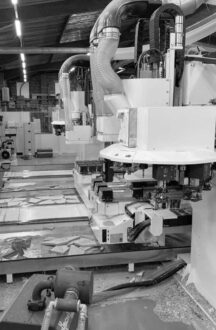
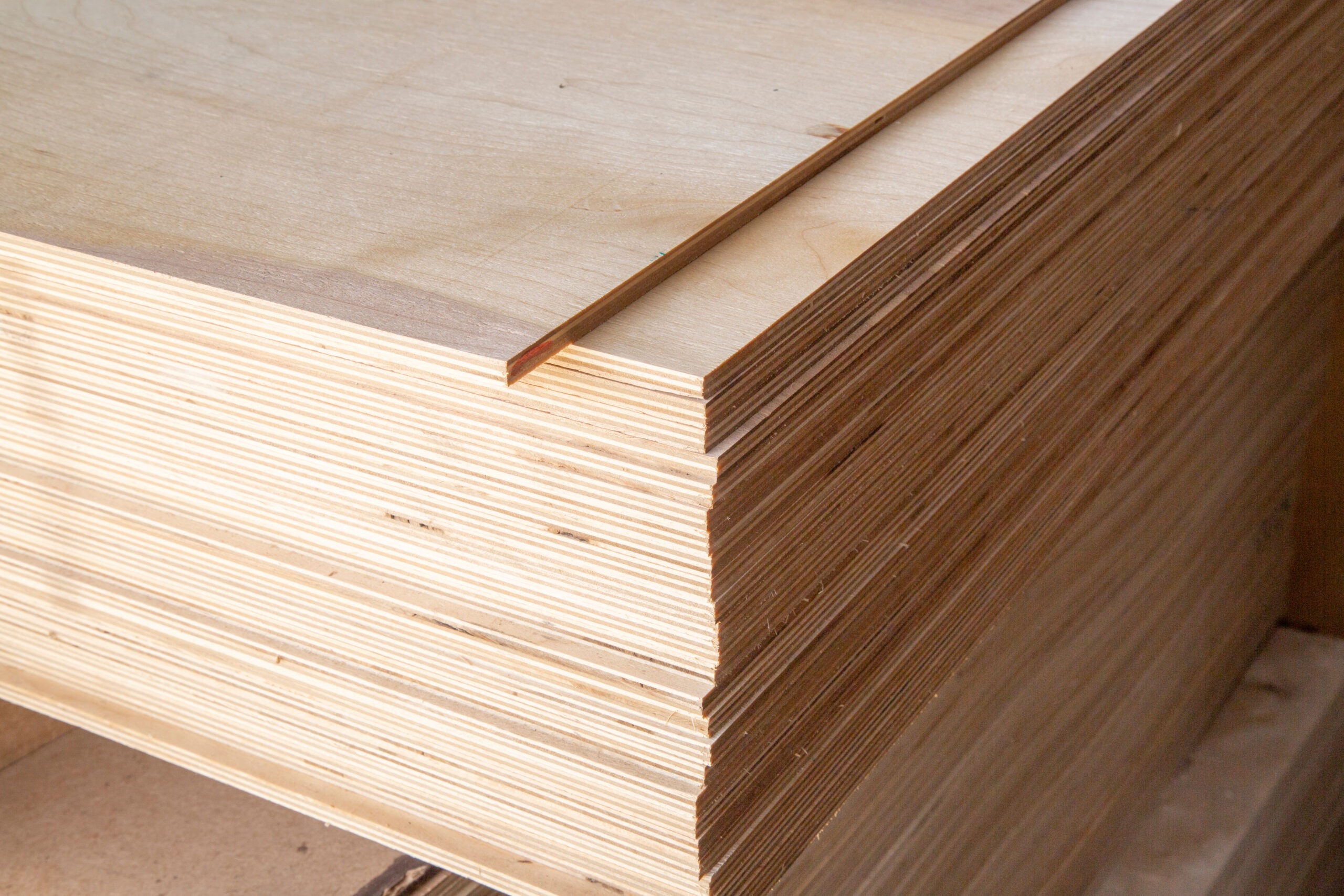
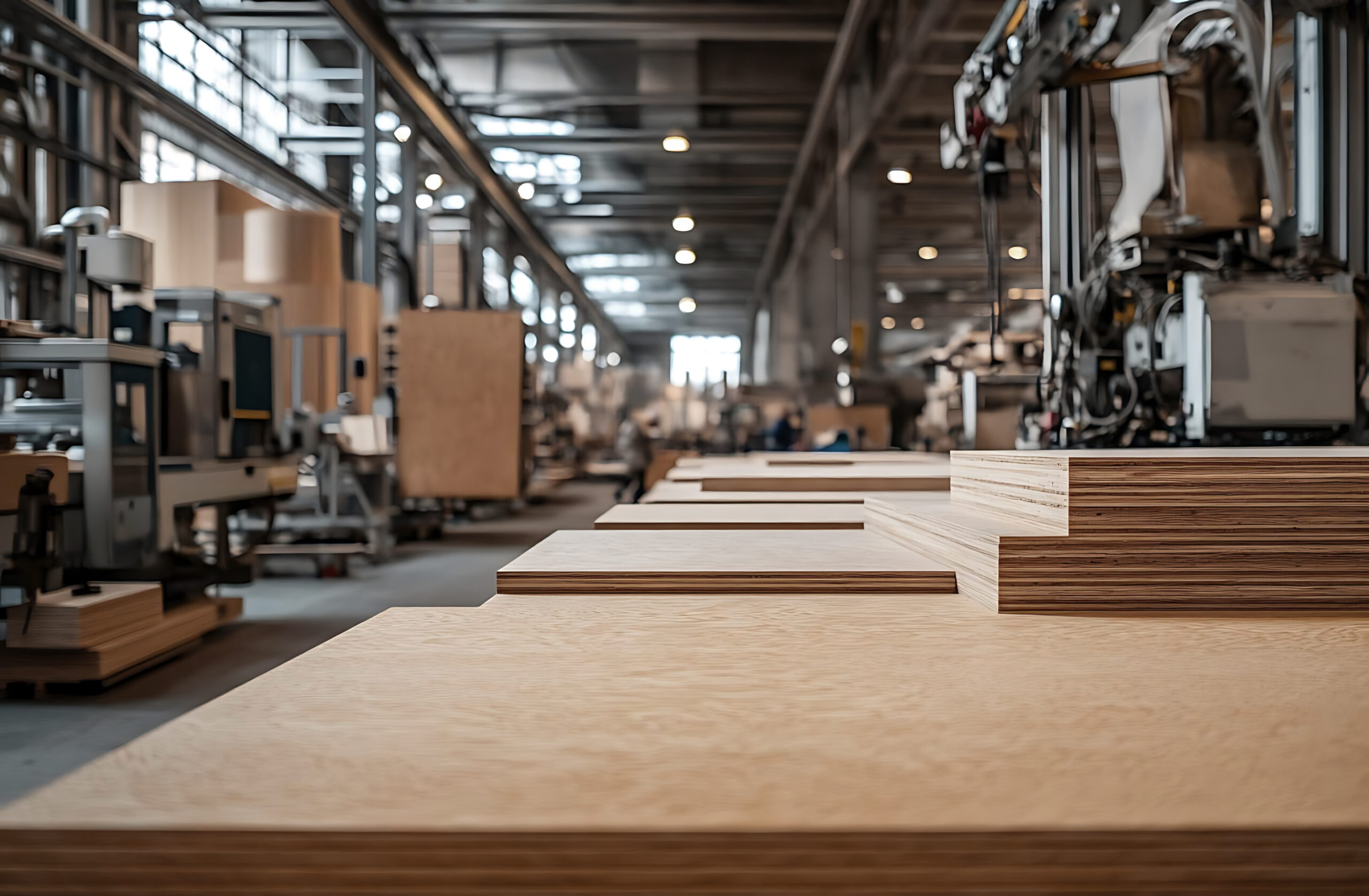
One of the key strengths of CNC machining is its ability to work with a wide variety of materials, making it a flexible solution for numerous industries. Whether it’s metals like aluminium and steel, high-performance plastics such as PEEK, or engineered wood like MDF, CNC machines can shape them with consistency.
By accurately removing material from a solid block, CNC processes are used to manufacture everything from mechanical components and casings to custom furniture parts. Whether the design is simple or involves complex geometries, CNC delivers reliable results, making it a go-to choice for both small batch work and high-volume production.
For a CNC machining service to run smoothly, it all starts with the right programming. Every movement the machine makes, from spindle speed to feed rates, cutting depths and tool changes, is controlled by a digital program.
This CNC programming takes into account the part’s shape, the material being used and machine capabilities. Even small changes in feed rate can affect the final result, from surface finish to tool wear. Mastering CNC programming ensures efficient, consistent output across a variety of machining operations.
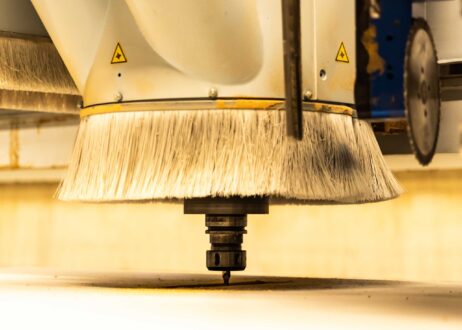
For a CNC machining service to run smoothly, it all starts with the right programming. Every movement the machine makes, from spindle speed to feed rates, cutting depths and tool changes, is controlled by a digital program.
This CNC programming takes into account the part’s shape, the material being used and machine capabilities. Even small changes in feed rate can affect the final result, from surface finish to tool wear. Mastering CNC programming ensures efficient, consistent output across a variety of machining operations.
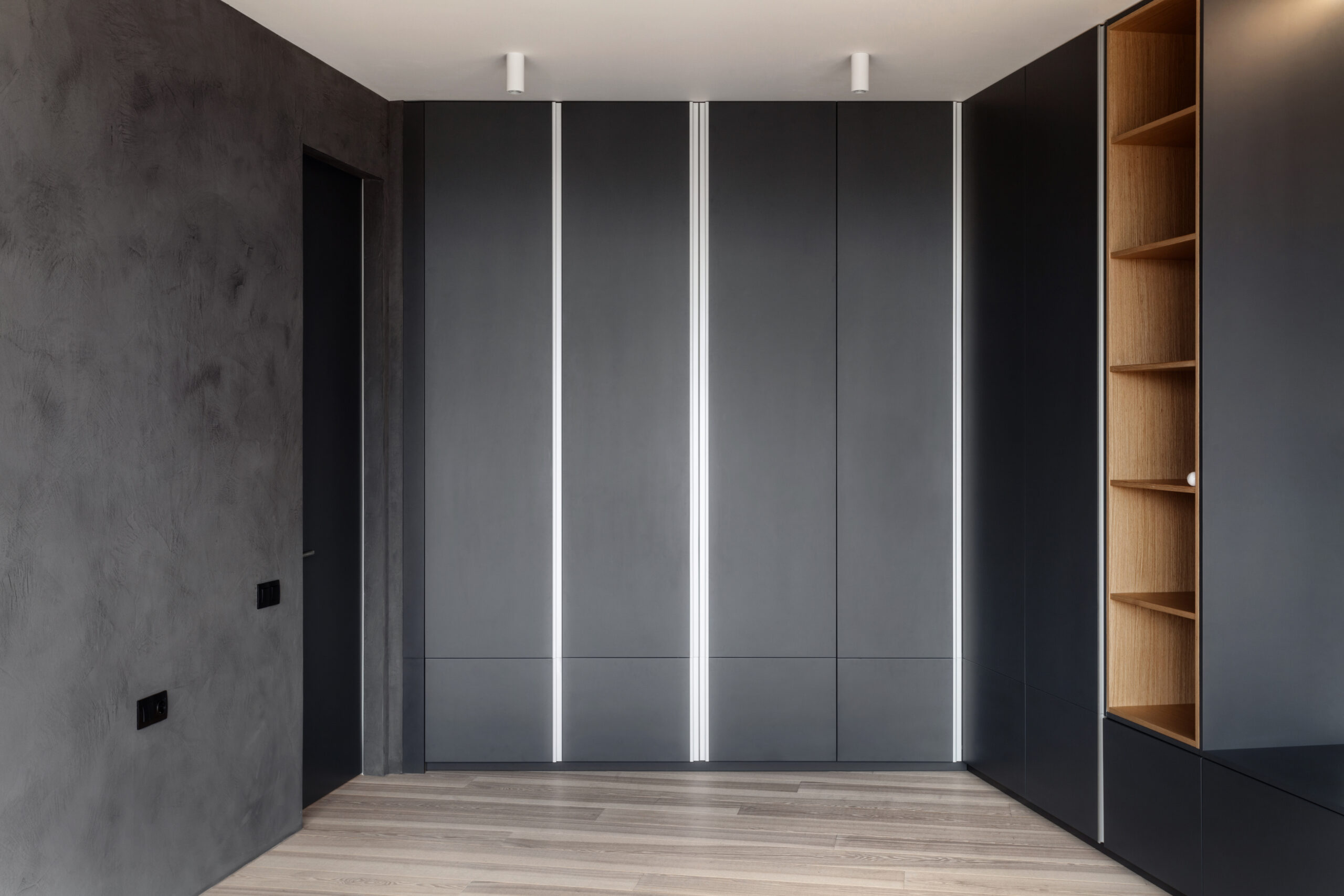
Across industries, CNC technology supports everything from medical implants to aerospace brackets. Furniture manufacturers rely on CNC services for consistent shapes and clean finishes. Engineering firms use computer numerical control CNC to prototype and refine new product designs quickly.
The versatility of CNC service offerings makes them suitable for both low and high-volume runs. From decorative panels to structural supports, CNC machining meets the standards of today’s most demanding sectors.
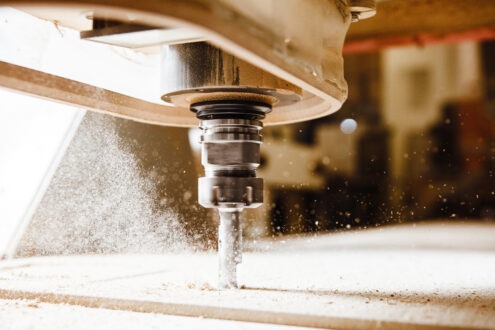
Several key factors can affect machining cost. Being aware of these can help you plan more efficiently and get better value from your CNC machining service:
CNC machining has transformed manufacturing, combining speed, accuracy and adaptability in a way that manual methods simply can’t match.
As industries continue to demand smarter, faster ways to produce components, computer numerical control manufacturing will remain central to innovation.
Whether you’re exploring CNC services for the first time or looking to improve production effectiveness, understanding the process is the first step. And with the right partner, CNC can become a powerful driver of quality and growth.
At Alexander Cleghorn, we combine technical capability with decades of experience to deliver high-quality CNC machining solutions across a broad selection of sectors. Our team works closely with clients to develop parts that meet exact specifications and performance needs. From first discussions to final delivery, we work closely with you to ensure each part is built to perform.
If you’d like to chat about your next project, fill out our form below.